

If you have hearing loss and struggle to follow conversations, it may be time to consider hearing aids. In this guide, we explain which free and low cost hearing aids are available to adults. We also cover the symptoms of hearing loss and the different types of hearing aids.
On average, statistics show that most patients wait 8 years between noticing hearing loss and wearing hearing aids and implants. That is why it is so important to know your options. In addition, there are many different types, styles and manufacturers on the market. As a result, choosing the ideal hearing aid can be confusing.
What Are the Symptoms of Hearing Loss?
Over the years, we have seen hearing loss affect patients in our Birmingham clinics in many ways. Most often, patients describe the following symptoms:
- Asking people to repeat themselves
- Turning the TV volume higher than a partner or family member would like
- Assuming other people are mumbling
- Struggling to hear conversations in small groups or noisy places
- Finding it hard to follow conversations when someone is not facing them
- Finding it difficult to hear on the phone
What Is the Social and Mental Impact of Hearing Loss?
The social impact of hearing loss can be significant. For example, many patients who come for a hearing assessment are tense and anxious. This is mainly because they struggle to hear conversations, which takes much more concentration.
Patients often withdraw from social situations because they feel they cannot contribute. This is usually due to mishearing or not hearing at all. They may also stop going to social events they once enjoyed. Often, they fear looking silly if they miss the punchline.
The Hearing–Brain Connection
Research has shown a strong link between untreated hearing loss and cognitive decline. It also links untreated hearing loss to a higher risk of dementia and other cognitive disorders. Therefore, addressing hearing loss early can help reduce the risk of cognitive decline and improve overall brain health.
With hearing aids, the brain does not have to work so hard to hear. As a result, it does not need to recruit other areas to help with hearing. So, with the right prescription, you feel less tired from concentrating on speech.
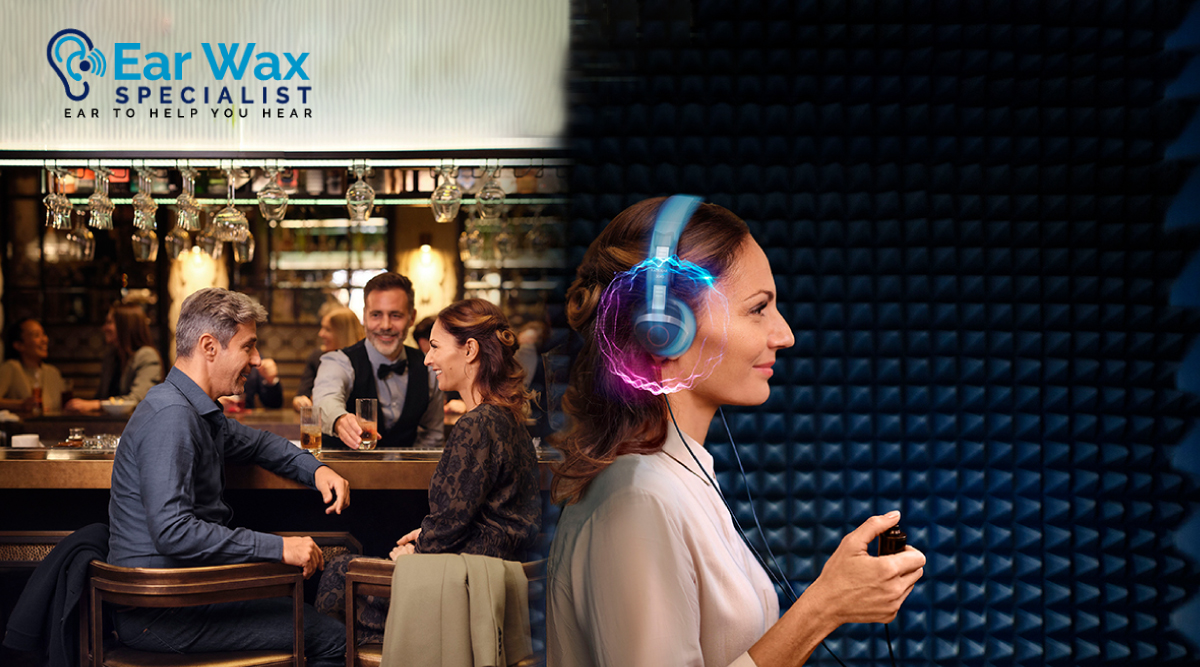
How Can Our Hearing Aids Benefit You?
Hearing aids have helped our patients in many ways. Based on our 30 years of fitting hearing aids, here are the main benefits.
Hearing aids help you hear conversations with your family far better.
They also help our patients hear better in social situations. As a result, they can keep enjoying their favourite activities and hobbies. For example, they can go to the theatre, bowling clubs or social dinners on their own.
In addition, hearing aids reduce isolation, because an accurate prescription gives people back the confidence to hear well. As people grow older, hearing aid assistance for seniors becomes especially useful. For instance, hearing aids help people hear better on the telephone, which matters most if they live alone.
- Bluetooth hearing aids have helped our patients hear the TV far better. Now, they no longer miss a word of their favourite programmes.
- Hearing aids have also helped our patients feel more relaxed in everyday conversations. So, they can be themselves and join in fully.
How to Get the Best Hearing Aids for You
The world of hearing aids can be daunting, with many manufacturers and different prescription philosophies. From our many years of fitting hearing aids and implants, this is what we would do:
- Find a hearing expert who offers hearing aids from all the manufacturers.
- Make sure they are an established, reputable company with good reviews and real expertise.
- Always try hearing aids for a week in group situations to judge their value. A good independent hearing centre should let you try different makes and models before you buy.
- Make sure they fit your hearing aids accurately using real ear measurements.
What Are the Different Types of Hearing Aids?
Hearing aids come in different sizes and shapes. Broadly speaking, there are three main styles.
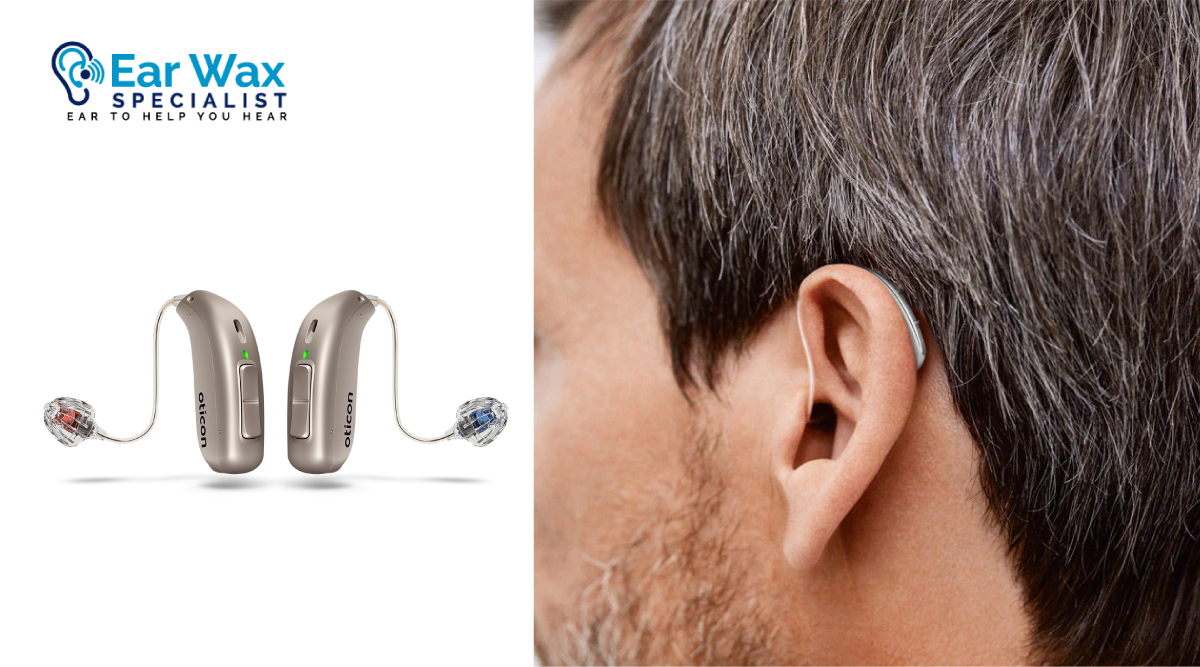
Receiver in Canal (RIC) Hearing Aids
Receiver in canal technology is the best type, because of the way it delivers sound into the ear canal. A RIC hearing aid has a speaker inside the ear canal. This reduces the distance the processed sound has to travel into the ear. Thus, RIC hearing aids give a far better quality of sound.
In the Ear (ITE) Hearing Aids

These hearing aids are a discreet option, because they fit directly inside the ear canal. First, your audiologist takes an impression or mould of your ear canal, so they can make a custom fit. The smallest version, a completely-in-canal hearing aid, is invisible to the naked eye. Even so, these hearing aids are powerful enough for any type of hearing loss in old age.
Behind the Ear (BTE) Hearing Aids on the NHS
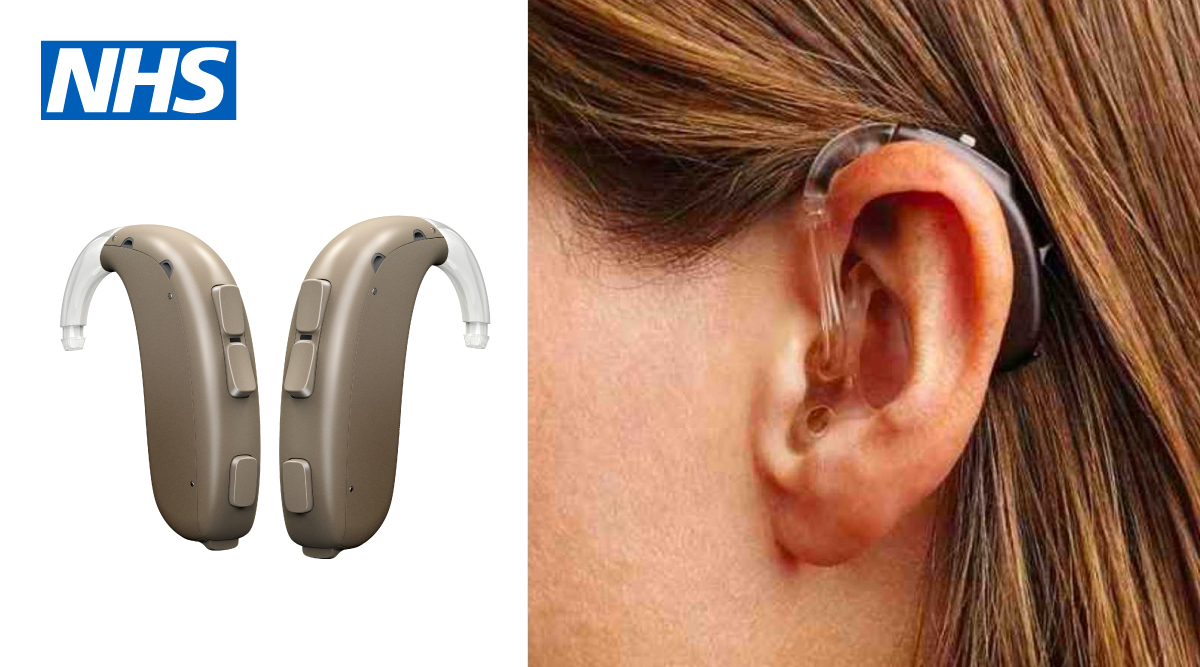
This is the free option on the National Health Service. So, you do not need to seek financial assistance for hearing aids for seniors. A traditional BTE hearing aid has a large piece behind the ear and a mould that fits in the ear. These hearing aids are often a good starting point. However, they are not as effective in noisy places as you might expect.
Benefits of Getting Hearing Aids From an Audiologist
There are many benefits to getting hearing aids from a professional rather than online:
- An audiologist or hearing aid dispenser is an expert in accurate hearing aid fitting.
- An independent audiologist provides aftercare for up to five years, including fine tuning and yearly hearing tests.
- Independent audiologists also give you the time you need. This is because they are not as busy as high street chains, which work to very tight schedules.
- There is no waiting list. We usually see you within a week, and we fit your hearing aids within 1–2 weeks.
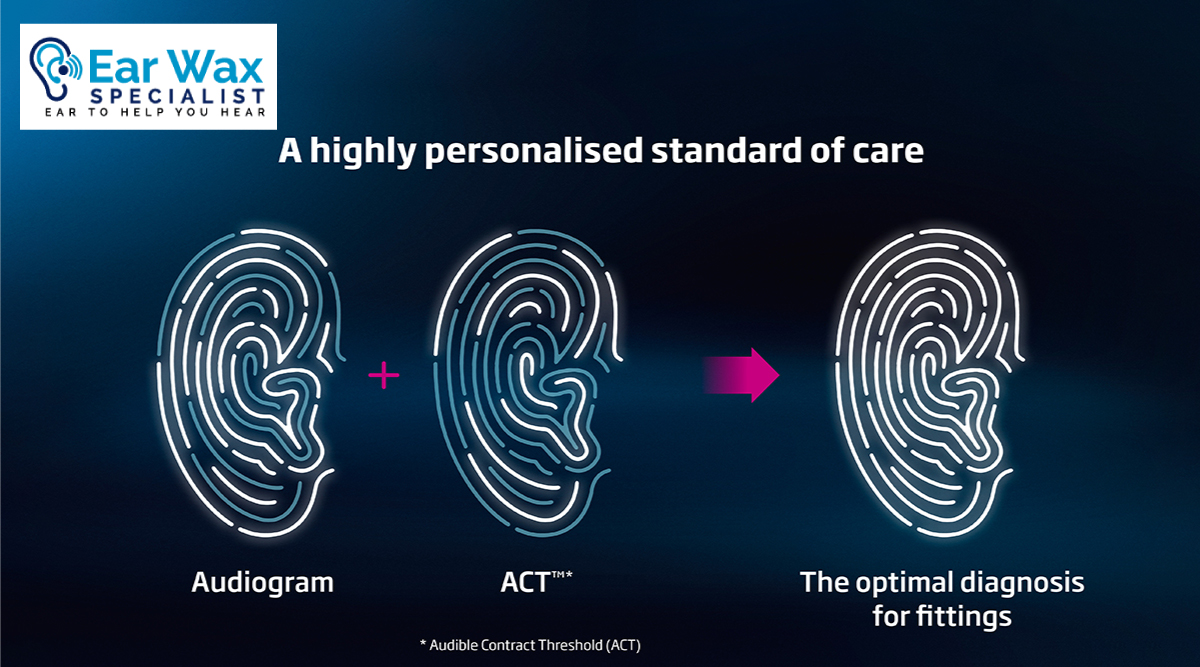
We always fit hearing aids to best practice. This means we use a range of audiological tests to check that your fitting is accurate. For example, real ear verification checks that the correct sound level reaches your ears. To do this, we place probe microphones inside your ear canal. However, you will find that most high street providers do not offer this vital test.
We also offer ‘speech in noise testing’ to check how well your hearing aids perform in background noise. This confirms that the noise reduction gives you the best benefit.
New AI Processing Chips
The new AI processing chips in the Phonak and Starkey ranges are excellent at tracking your speech environment. They also adjust the microphone array automatically. In addition, they are good at reducing background noise. In the last 6–12 months, this has led to a big improvement in signal-to-noise ratio. As a result, you can hear even better in background noise.
Aftercare With Hearing Aids
The aftercare that comes with a hearing aid is vital for managing your hearing loss. For example, you will need fine tuning appointments to keep your hearing aids working at their best. This matters because your hearing can get worse over time. So, your provider must be available for repeat hearing tests and ongoing maintenance.

What Causes Hearing Loss?
As we get older, we may not process information in the same way we once did. This is true for our eyes as well as our ears. In particular, hearing tends to deteriorate in the higher frequencies first. As a result, softer speech sounds become harder to detect. For example, you may miss the ‘sh’ sound in the word ‘shut’, which often leads to mishearing words. Doctors call this type of hearing loss presbycusis, or age-related hearing loss.
Hearing loss can also result from a medical condition or procedure, such as:
- Mastoidectomy surgery
- Chronic glue ear
- A sudden viral infection of the ear, causing sudden hearing loss
- Genetic hearing loss from a young age
You can read more about the causes of hearing loss on the NHS website.
Which Free or Low Cost Hearing Aids Are Available for Adults?
If you need low cost hearing aids, the NHS is usually the best place to start.
NHS Hearing Aids
NHS hearing aids are free of charge. The NHS will give you an open BTE hearing aid, programmed to your hearing prescription. This can be a good start, especially if you have never worn hearing aids before.
However, NHS hearing aid technology is usually several generations behind some private hearing aids. Even so, it is a good starting point. The main drawback is that you may still struggle to follow speech in background noise. This tends to be the biggest obstacle for anyone with hearing loss in old age.
The NHS also provides free hearing tests if you are over 65 and eligible. So, an NHS hearing test is a good starting point if you want to address any hearing difficulties.
Beyond the NHS, there is a huge variety of hearing aid types, styles and manufacturers. In fact, hundreds of types and styles are available at any given time, which can be confusing.
Are NHS Hearing Aids a Good Low Cost Option?
NHS hearing aids are a good start if you have never worn hearing aids before. They give you the amplification you need to hear well in one-to-one situations. They can also come with a background noise programme, which cuts down some noise in more complex situations. However, this feature is limited.
Free NHS hearing aids may also include a telecoil or, in some cases, Bluetooth. These features can help you hear better at the theatre or cinema. In addition, when you get help with NHS hearing aids, your audiologist programs them to your hearing test prescription. This gives you an accurate level of amplification for your hearing loss.
Cons of NHS Hearing Aids
Everyone gets the same style and shape of hearing aid, regardless of their prescription. This one-size-fits-all policy is due to the limited budgets within NHS adult hearing services. Furthermore, you often only get one hearing test every three years. So, the NHS may not pick up changes in your hearing before then. Finally, you do not benefit from the latest technology. This usually means limited benefit in group situations or background noise.
Should You Choose Private or Low Cost Hearing Aids?
The biggest difference between NHS and private hearing aids is the cost. Private hearing aids cost more than free or low cost hearing aids. In fact, a pair can cost anywhere from a few hundred pounds to two or three thousand pounds. The price depends on the level of automation, noise reduction and channels you want or need.
However, private hearing aids are far superior at cutting down background noise. This is because their faster processing chips allow seamless background noise suppression in any environment.
Private hearing aids are also wireless, so they work together as a pair. They share vital sound information between your ears. Thus, they help you focus on speech, even in difficult listening environments.
Finding the Right Low Cost Hearing Aids for You
Free NHS hearing aids are a sensible first step for many adults. However, if you struggle in background noise, private hearing aids may give you far more benefit. Whether you choose low cost hearing aids or private ones, the right fitting and aftercare make all the difference. So, why wait? Book a hearing test and get help with hearing aids right away.